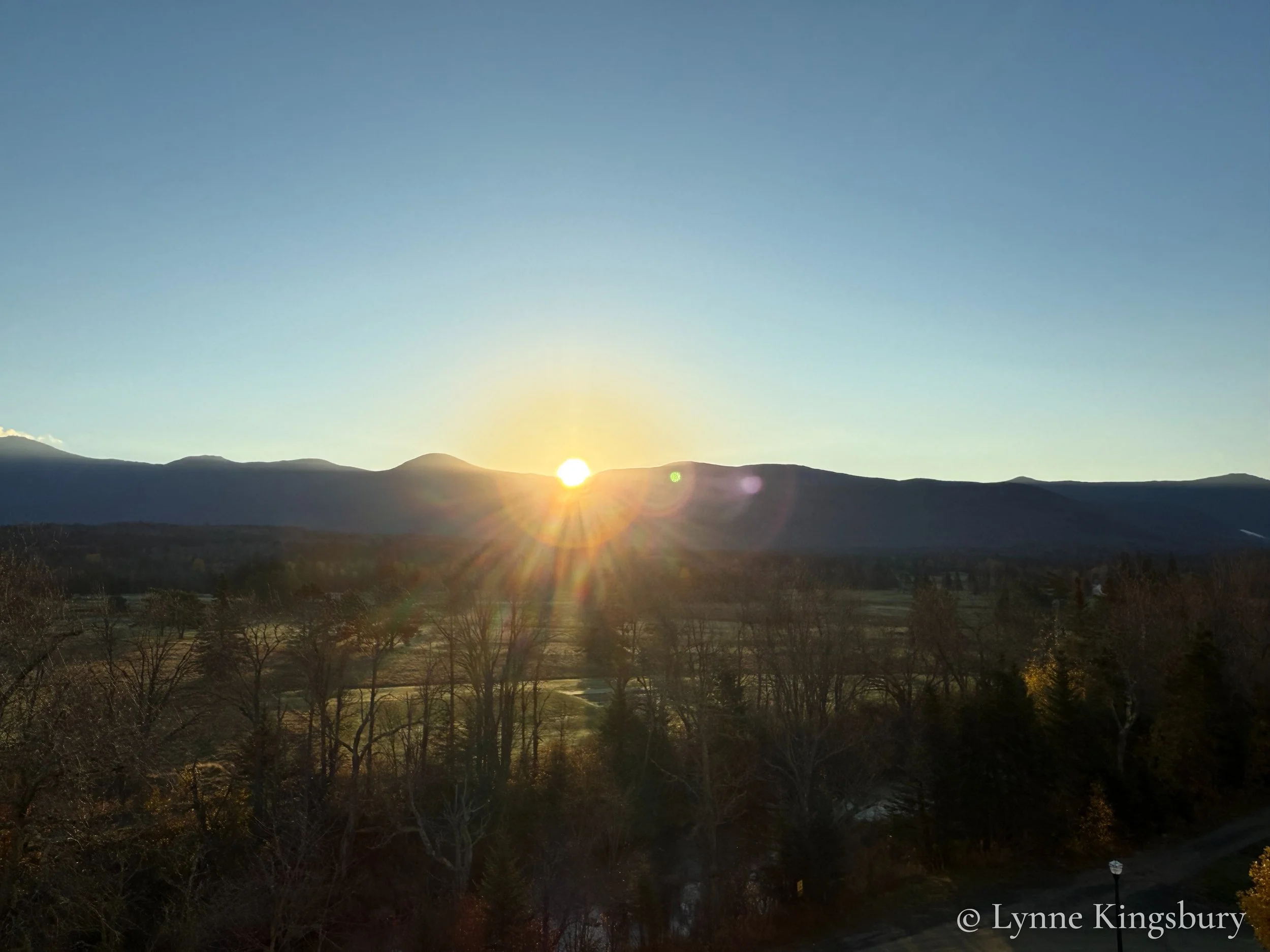
On a Saturday morning in October 2016, after one of the best workouts of my life, I had a stroke that nearly killed me. I spent the decade that followed rebuilding my body, my independence and my identity, and I kept most of it hidden. I didn't want anyone to see me broken.
This page is where I stop hiding. Here you'll find the ten lessons that decade taught me, what actually happened, photos of the messy middle of healing (not the polished version), and how this experience led me to my work in AI.
I'm sharing it for anyone carrying something that doesn't fit their carefully curated story.
You are not alone.
Strength, Integrity and Grace
Strength, Integrity and Grace
Ten Lessons From the Decade
that Reshaped Me
1. Vulnerability and Breakthroughs are different sides of the same coin. I have to be honest, it has been a tough decade. The morning of my stroke I had a fantastic workout. I owned the dreaded “burpee.” Two days after my stroke I could only walk 45 feet with a walker. Being in the hospital (bless them, they saved my life) is the closest I ever hope to come to being incarcerated. My bed was alarmed, I was not allowed to shower or address bodily functions alone. For a strong, independent person, that was hard to accept. But it was the beginning, thankfully not the end. Everyone has times where they feel and even are, vulnerable. Use it. As they say, embrace the suck. Learn about yourself, your very core, your very essence. Learn what you love and what you want to change. Then focus on it and make it happen.
2. You NEVER know what someone is going through, reserve judgement until you do. I can regale you with many stories of embarrassment. A lack of balance, paralyzed vocal cords and crushing fatigue caused people to judge my abilities. I was horrified. Although my physical body (that previously belonged to three gyms and was quite active) had changed, my intellect, my drive and my values were unchanged. People couldn’t see that through my physical deficits. Today, I’m pleased to report that my intellect, my drive and my values did change after all. They grew stronger, along with my compassion.
3. You can’t always choose what happens to you. You can choose how you move forward. I love quotes. One of my favorite quotes is from Les Brown: “If you fall down fall looking up, because if you can look up, you can get up.” Unfortunately, on several occasions I took that literally. Many people have asked, “aren’t you sad that happened to you?” Well, the happen part was not a choice, but my response was. I took a long look at the way I live my life and my response was gratitude. I am grateful for every moment I have and to the best of my ability, my goal is to make the very best of what I have.
4. Thoughts are just stories we tell ourselves. Make your story epic. Most people would say I am kind. But throughout my life, my internal voice was less than kind to myself. (I know I am not alone here.) I was quick to call out my faults, berate myself for a mistake, overanalyze a bad decision. My stroke taught me that habit was not going to get me to where I wanted to be. I studied visualization techniques and found there was a better way. If I wanted the fairytale (and at one point, walking was the fairytale) I had to tell myself a different story. At first I was disheartened by the magnitude of my story. I just wanted my life back, the way it was. So I took it one step at a time. Then, as neuroplasticity kicked in and key functions returned, I realized I didn’t want my old life back. I wanted to use what was hard fought and hard learned to become even stronger. I wasn’t writing an ending; I was living a transformation.
5. Uncertainty is opportunity, how you manage it, determines the outcome. Anyone who knows me knows I am a planner. Expect the unexpected, I was the queen of plan A, B and C. Heck, I could organize the whole alphabet if the occasion called for it. I thought I understood uncertainty and I had a plan for it. But nothing quite prepares you for the moment you tell your right hand to scratch your nose and it refuses to move. Or swallowing. We all come into the world knowing how to swallow, what happens when you can’t? There it was, uncertainty redefined. Today, I can swallow and I have worked hard to re-establish my mind-body connection. But it came through a lot of hard work, research and determination. I’m still a planner. But now I plan for growth, not just for comfort, and I leave room for the letters I haven’t thought of yet.
6. Look forward, not back. There's a saying I'm about to butcher: the past is over, the future is unknown, and all we have is this moment, which is why it's called the present. Ha! I was never good at the present. Plenty of yoga instructors will tell you Savasana is the weakest part of my practice. But today, I'm getting better at it. I'm even better at the future. I spent a lot of time and energy on what I "should have done." I can't change the past, and I no longer have energy to waste on it. Now I decide what I want the future to be, and I pursue it with relentless focus.
7. Neuroplasticity is a wonderful thing. I love to learn, and my stroke sent me deep into the science of the mind and brain, into how neurons that fire together wire together. Long before I had the words for it, I was running my own training loops: anchoring on what still worked, then reaching for what didn't, over and over. There is still so much we don't know about the brain. Where I couldn't find facts or data, I filled the gap with hope and inspiration to become the woman I wanted to be. That curiosity about how minds learn is a big part of how I ended up working in AI. (More on that below.)
8. It can always get worse. It can also get better. The optimist in me says things can always get better. The realist in me knows they can also get worse. I believe both are true. Prepare for setbacks. They're temporary, but if you don't anticipate them, they can derail or extend your recovery. Some days bring progress. Many don't. That doesn't give you permission to quit. My stroke was very rare, so I figured if rare bad things can happen, rare good things can too. I play the lottery every week.
9. Hope always has a place at the table. People ask what the hardest part of my journey was. Without a doubt, it was seeing the pain on the faces of my friends and family when they first saw me at my worst. That pain made me work harder. Today, most people I meet don't know I had a stroke. My original hope was simply to get my life back. But that's the beautiful thing about hope: it can't be contained. It kept growing past what I asked of it. Wherever you are, even on your darkest day, make room for hope. Life can be sweeter than you can imagine.
10. Be grateful for the things you love. This decade has been hard. I have lost people I love. I have lived through things I wish I hadn't, and missed things I wish I had done. I've also learned more than in any decade before it. Most of all, I'm grateful: for who these experiences made me, and for the ones that will keep shaping me.
Healing is Messy
Like many people, I spent my life trying to establish the best possible image. But this experience taught me that healing, and life in general, is messy. Hard times shape you into someone who can truly appreciate the good times. Here are some of the highs and lows of the decade, and all of them served me well.
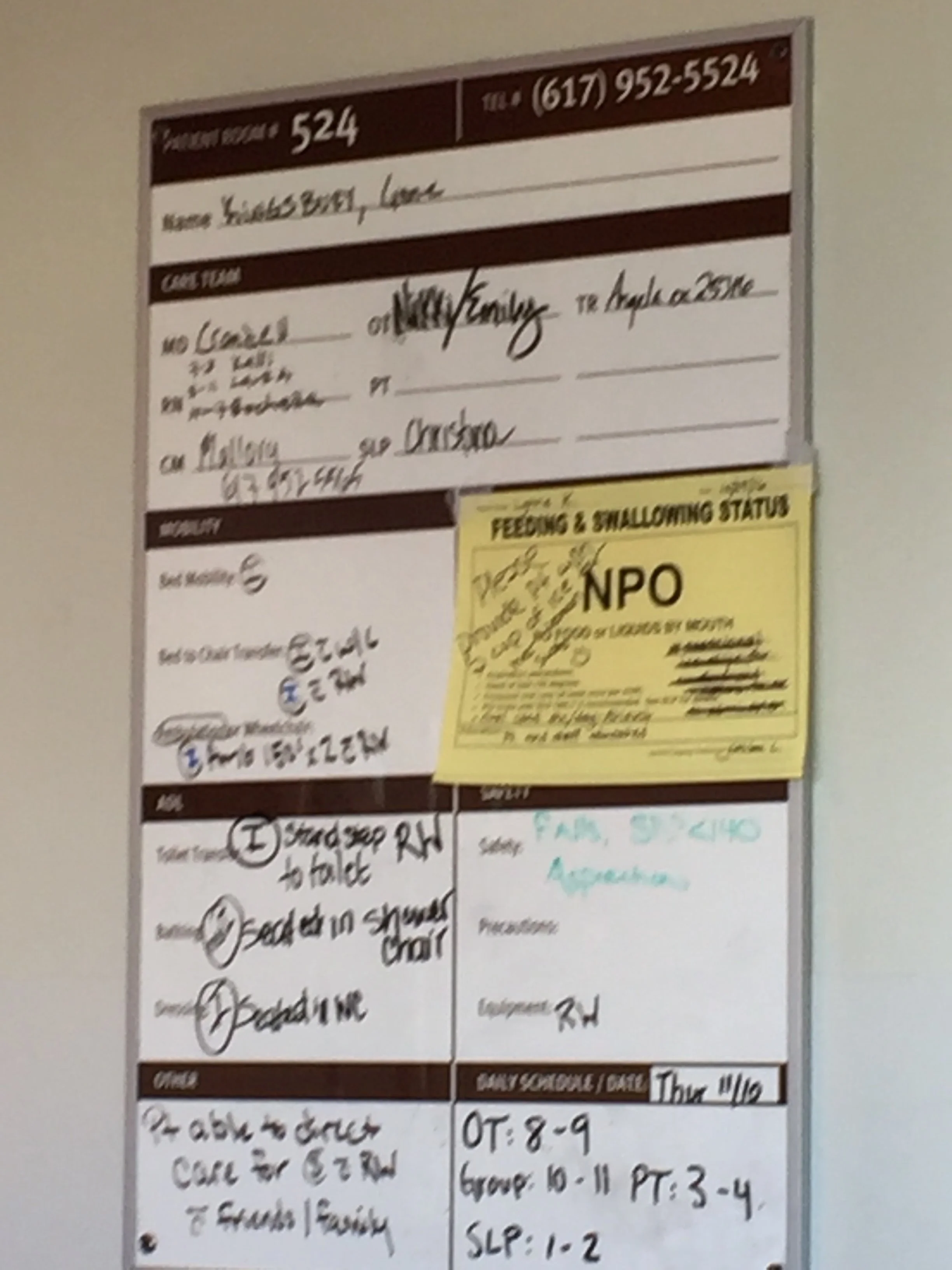
A picture of my medical board in rehab, prominently displaying NPO, I could not swallow, even my own saliva.
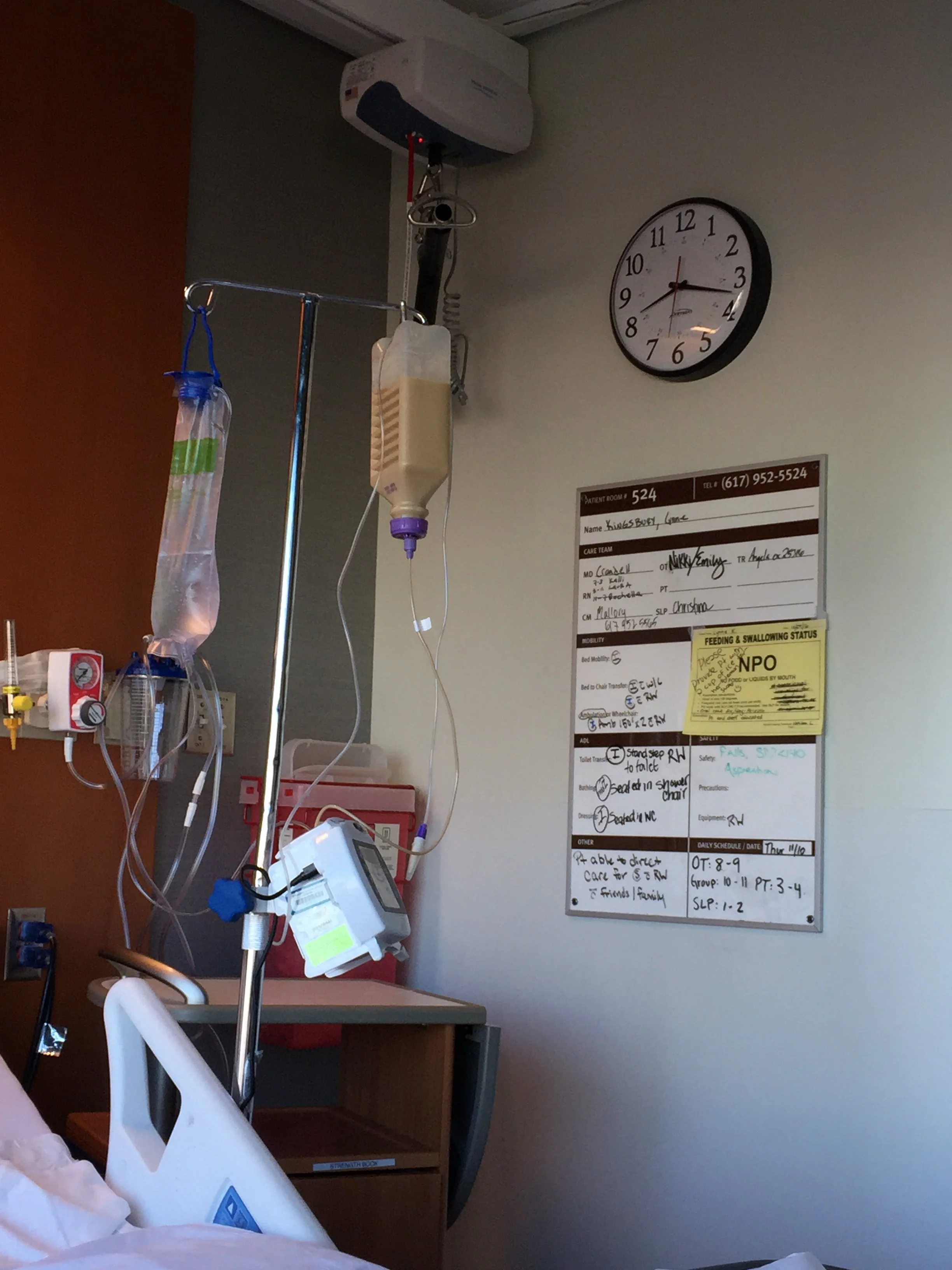
My nemesis: the feeding tube. It ran 23 hours a day, and I often vomited as my body tried to adjust to this new form of sustenance acquisition.
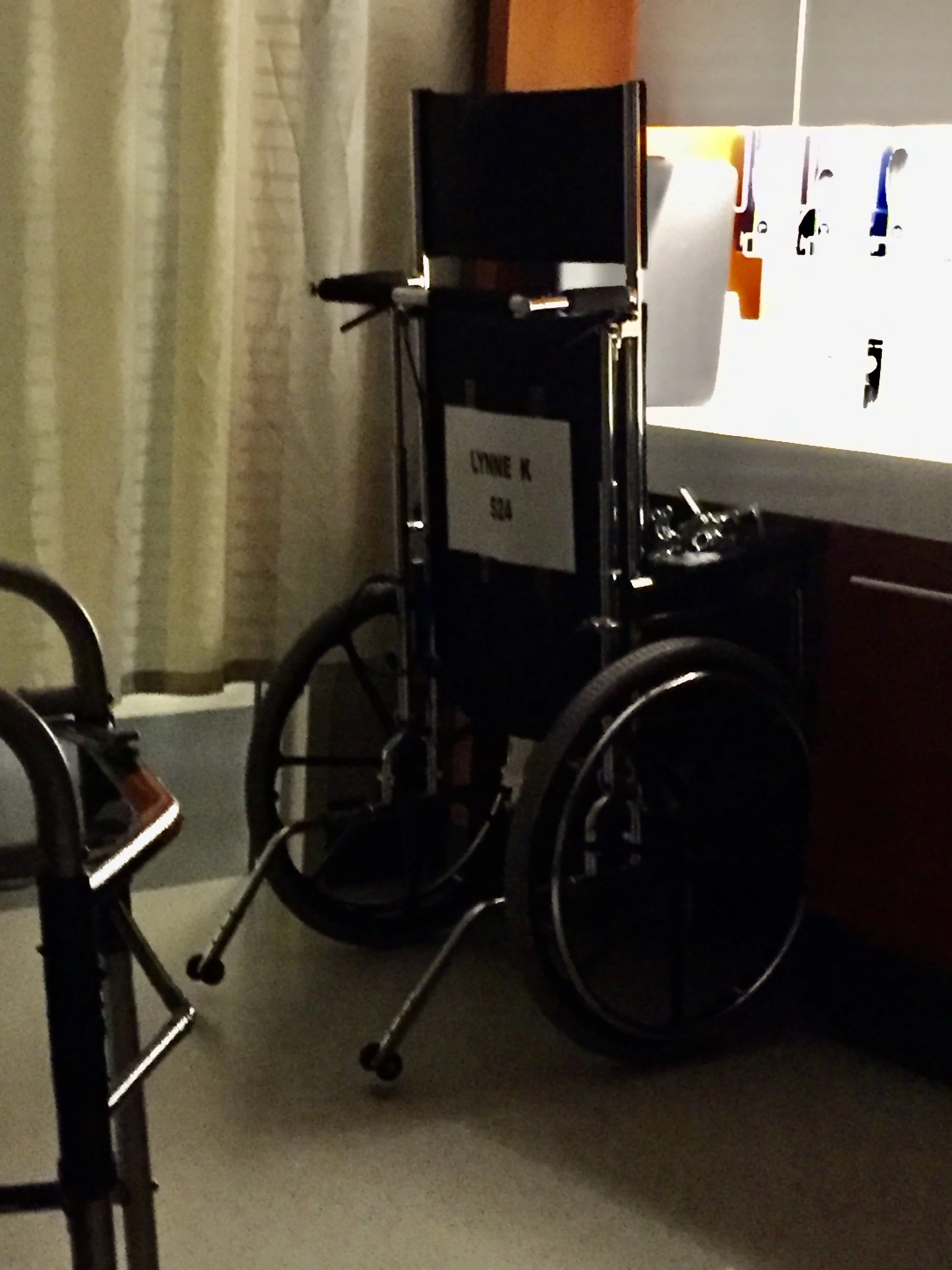
As someone who belonged to 3 gyms, the wheelchair was hard to accept. Even harder: could I really choose how I would show up in the world?
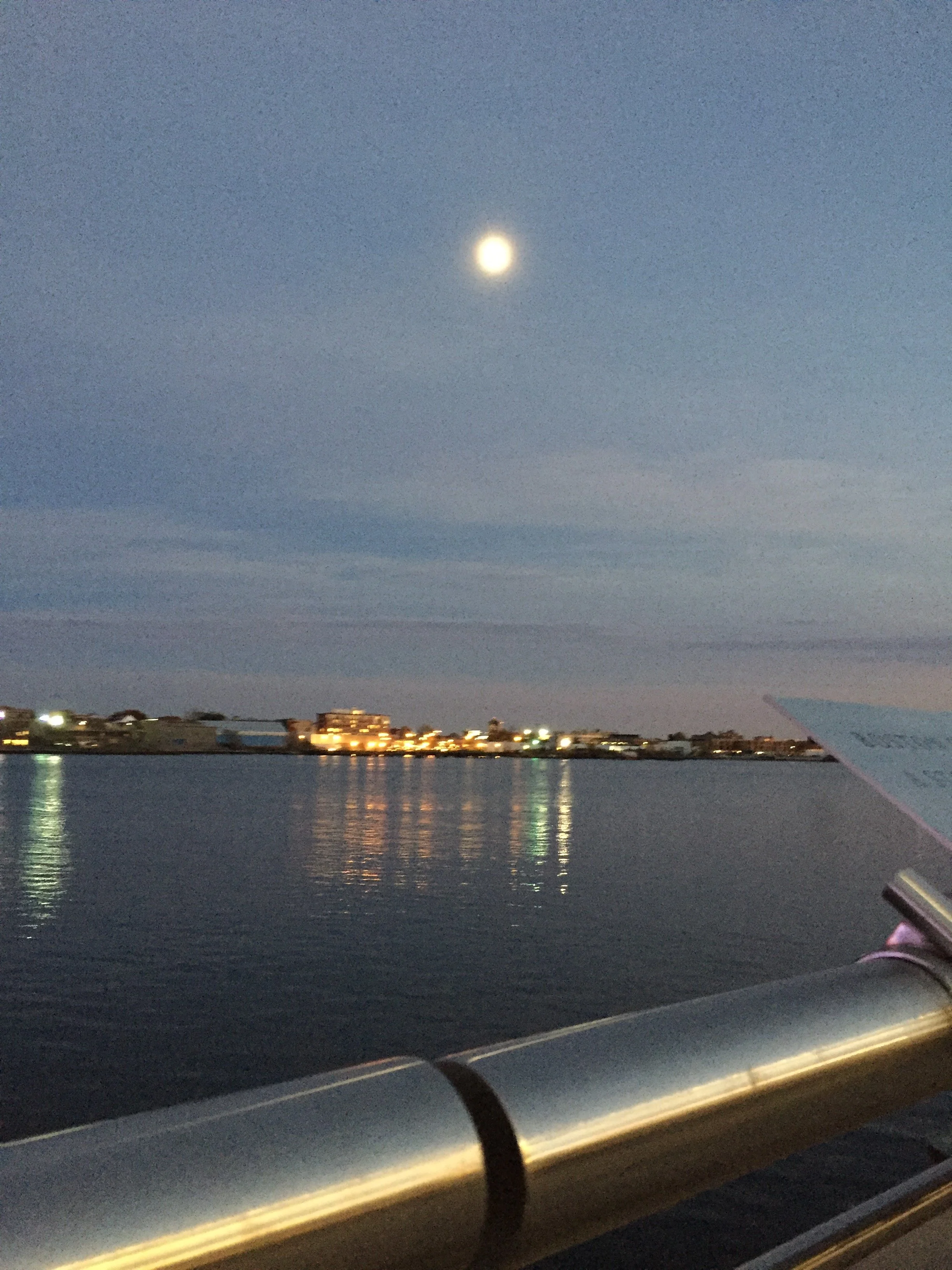
On my last night of rehab, a full moon greeted me over the Charles River. It was this moment, mourning a family pet, that I discovered I could not cry from my left eye.
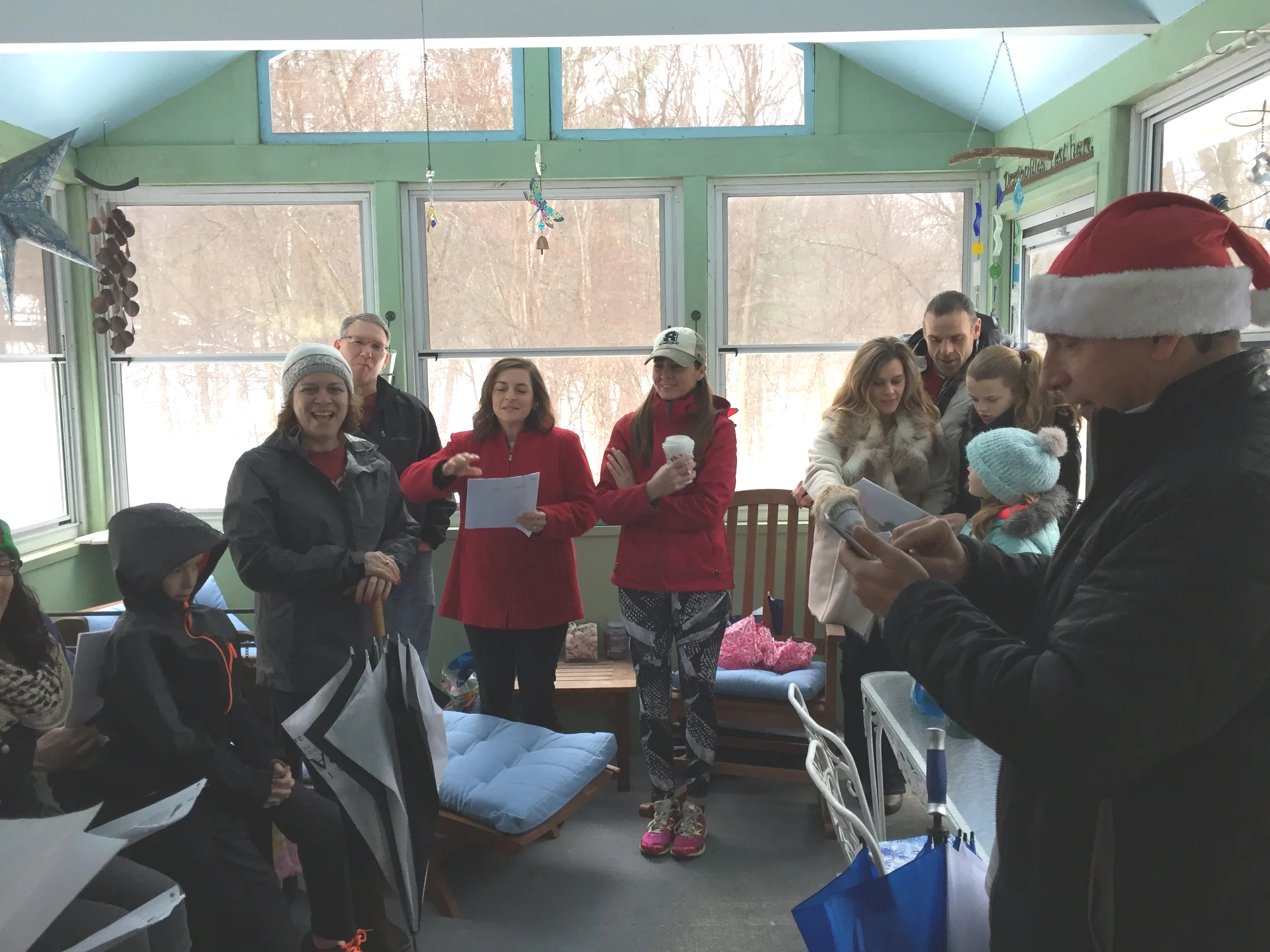
Best Christmas present EVER!! Members of my gym gather on my porch, in pouring rain to carol for me on Christmas Eve.
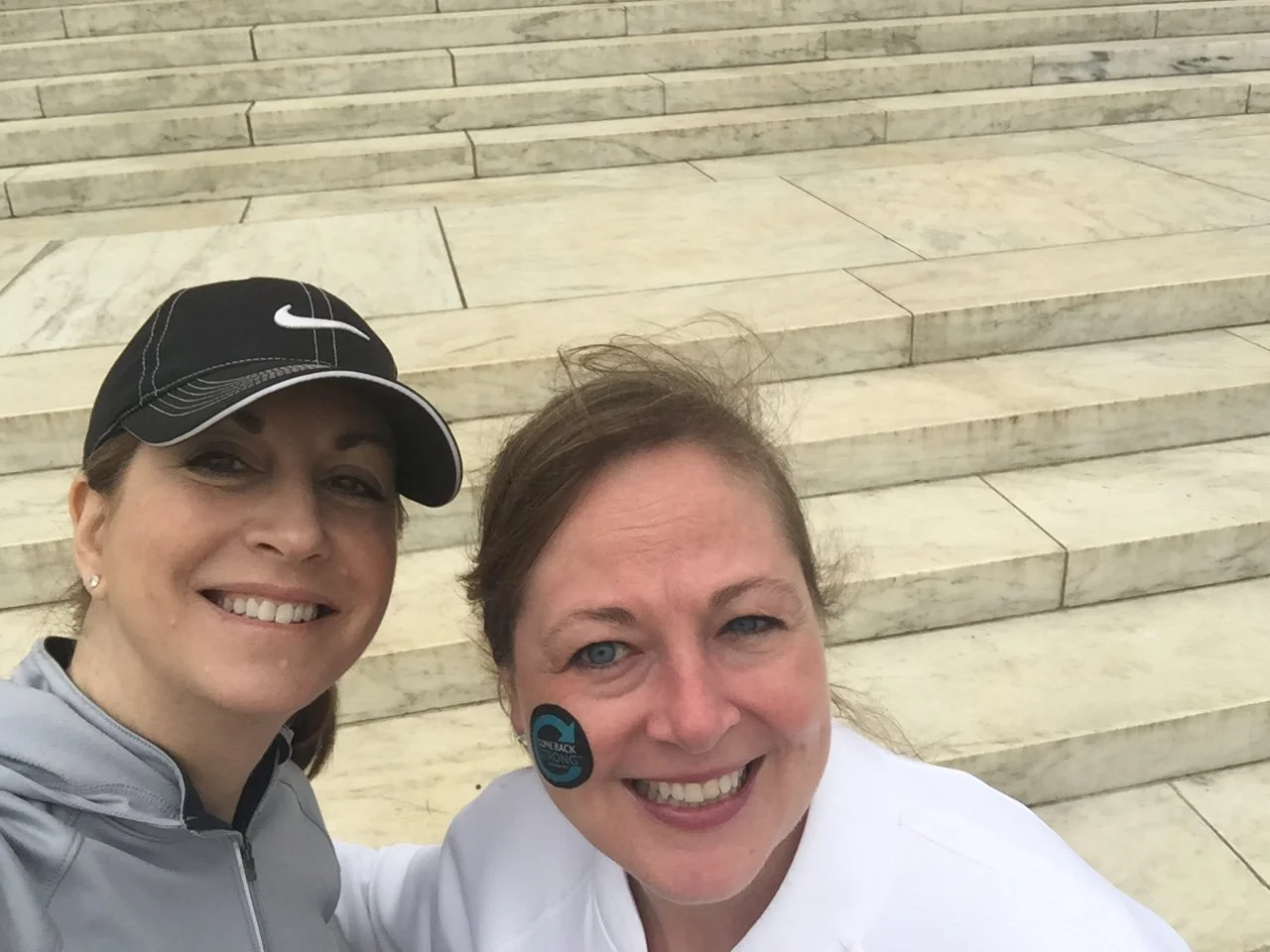
When I came home, I knew I needed goals. My friend Meredith drove from RTP, NC, to meet me in DC to walk the Comeback trail, so I would not have to do it alone.
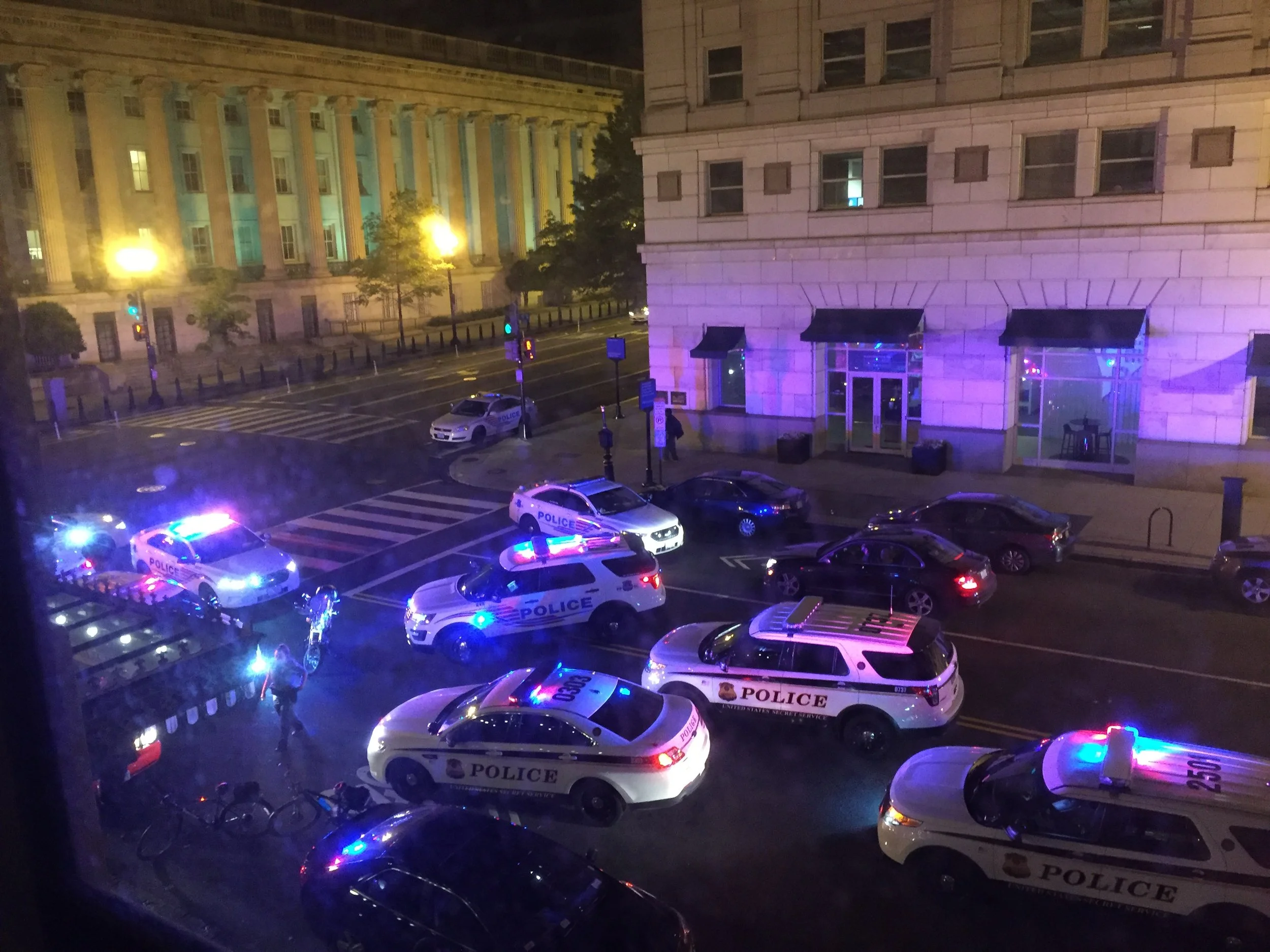
A commotion outside my hotel that evening. I am happy to say it was nothing I had done.
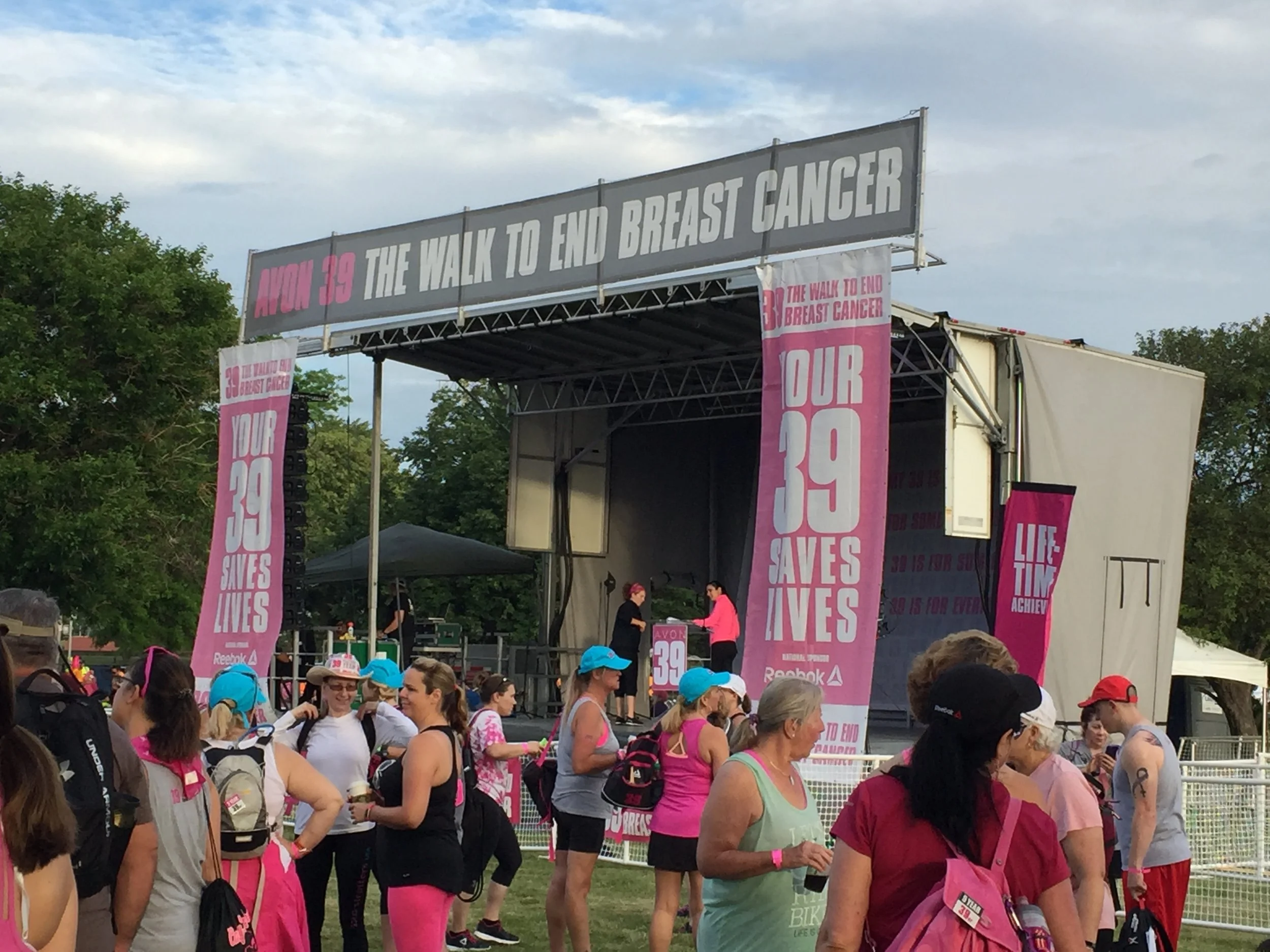
If you can do 5K you can do 39 miles right? I set my sights on the Avon 39, 3 months later. Sharing this news afterward with my doctor, his words will remain with me forever: "I said that you could, not that you should."
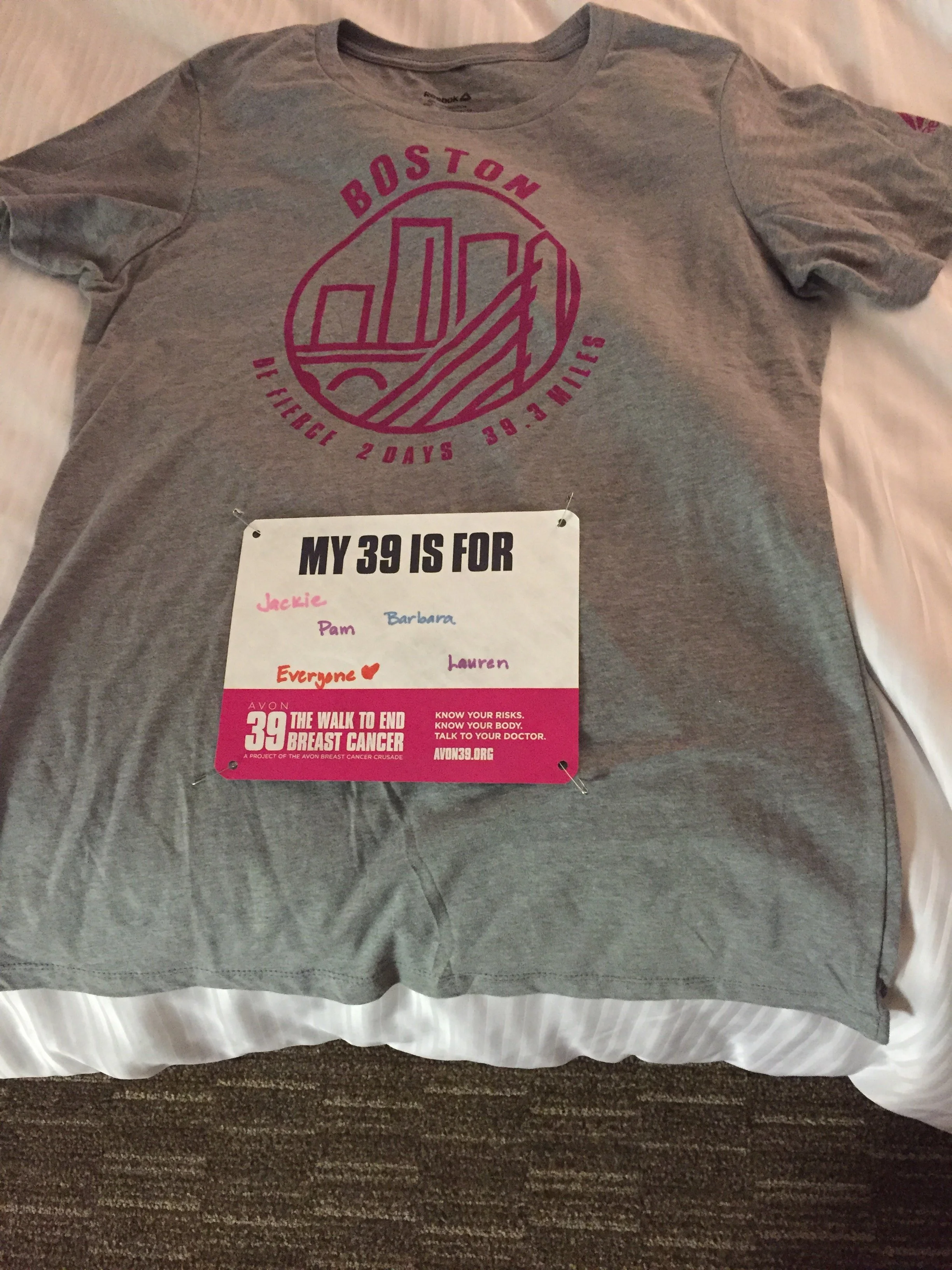
I walked alone, but not in spirit. I had key friends with me on my badge.
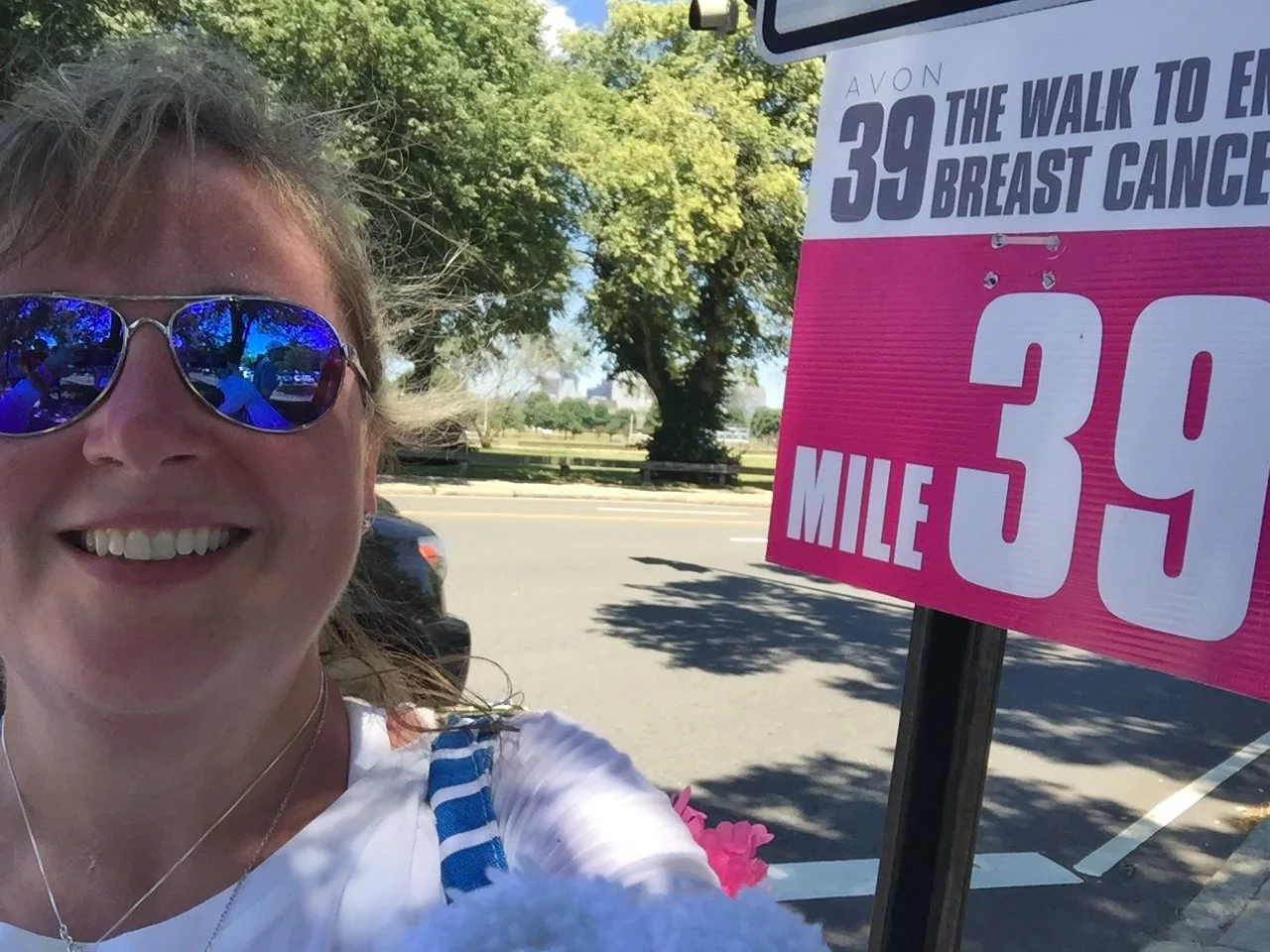
A selfie crossing mile 39. Don't let the smile fool you...
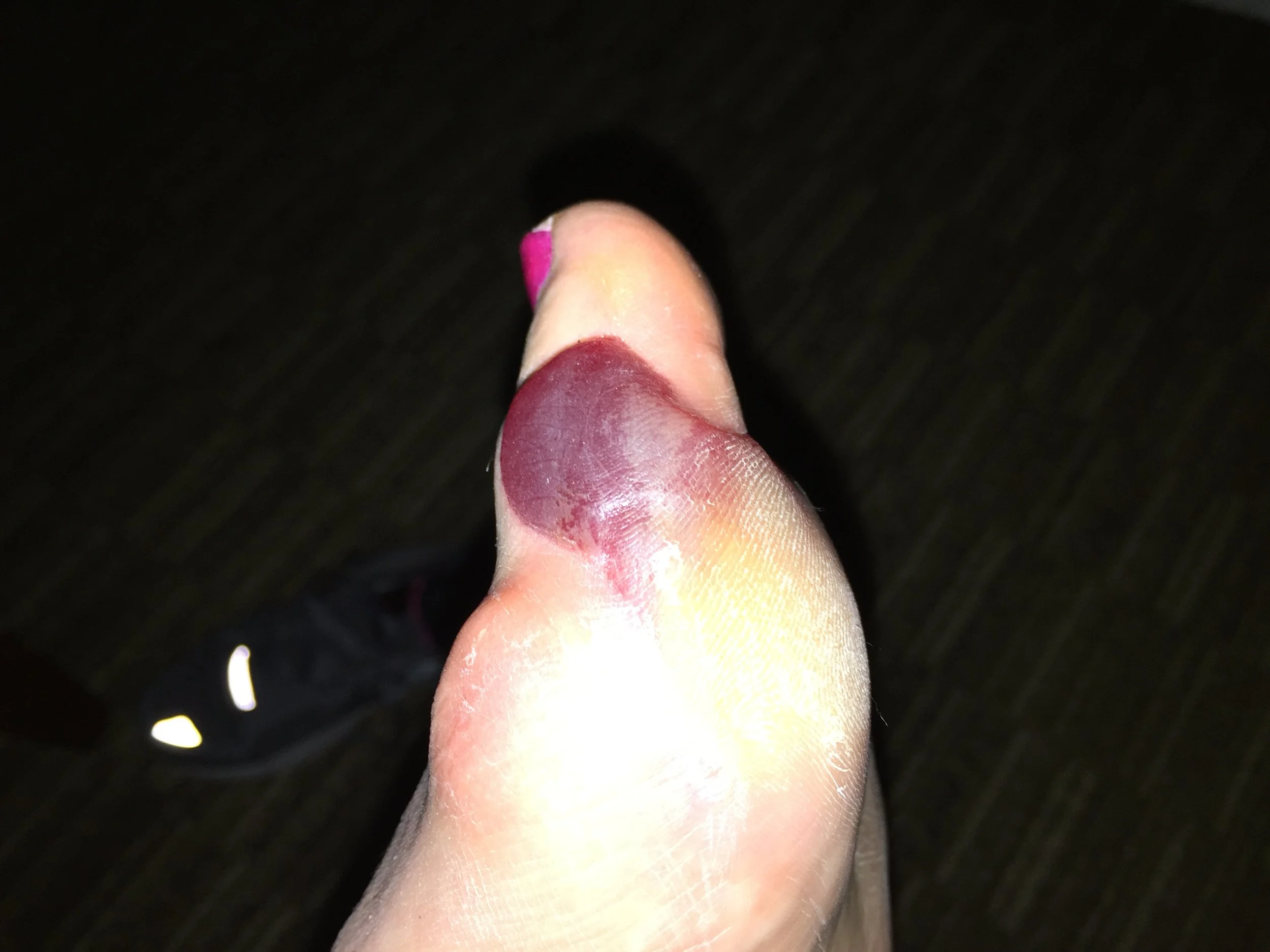
My feet told another story. Walking 39 miles is one thing, balance challenges present another more visceral obstacle.
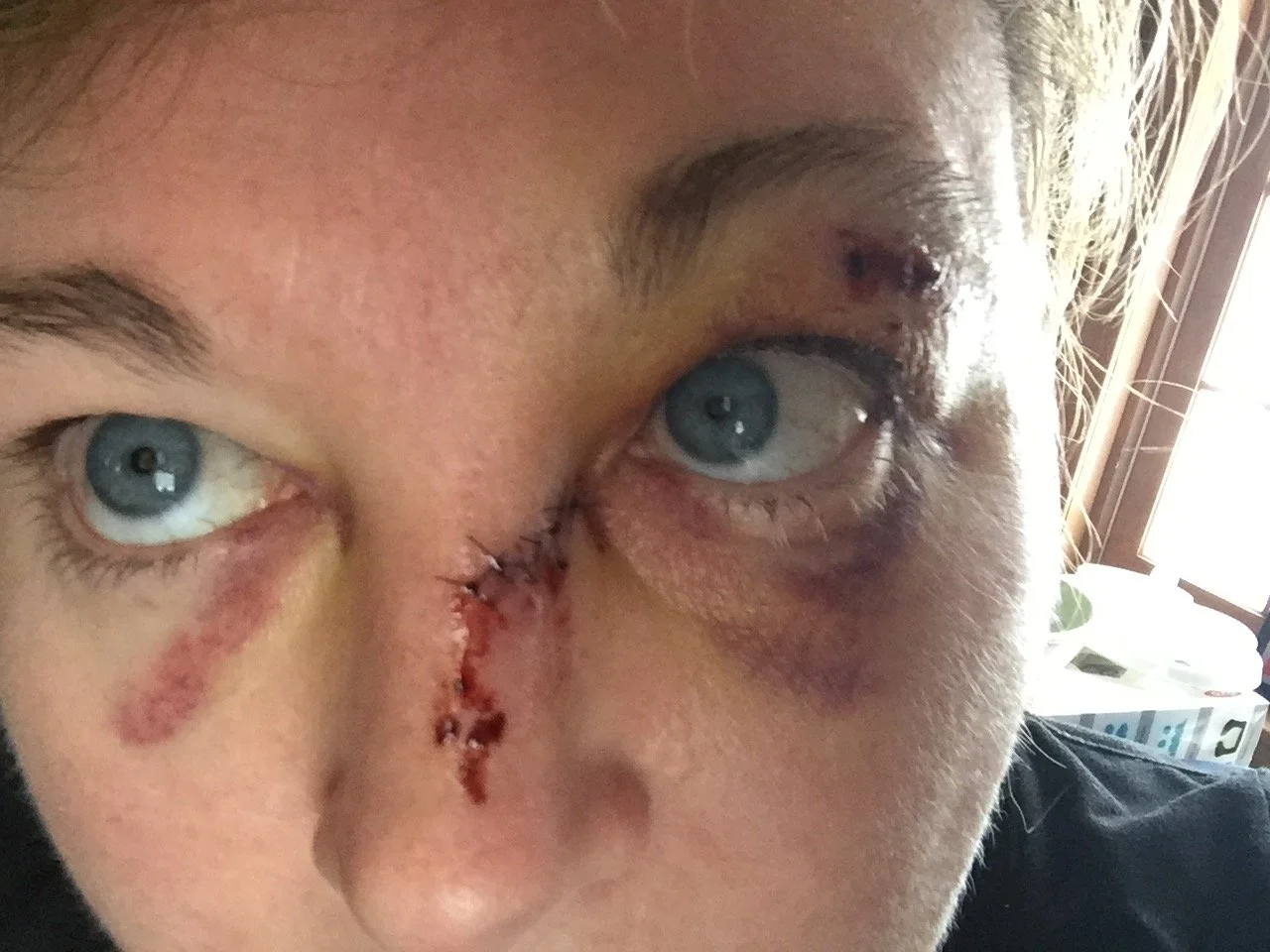
7 stitches, two black eyes and four broken ribs. This is my most embarrassing picture. There were many falls. This is one. Healing is messy, but oh, so sweet.
How My Stroke Led Me to AI
I'd love to say my stroke led me to AI. The truth is, the thread started much earlier. My stroke just pulled it tight.
1990. An undergraduate philosophy class asked a question I never forgot: can computers think like humans?
2016. My stroke. Some of the best medical facilities in the world saved my life, but they had limited answers about how I would heal. So I went looking myself, reading everything I could find about the brain and how it rewires.
2021. When my stepfather became ill, I knew what it was like to face a serious illness. As his illness progressed, I went back to studying the brain, this time for him.
2022, 3 a.m. Sitting alone in his hospital room, I heard a nurse say he had "a good soul," and then she walked out. There was no one to ask what she meant. So I asked an AI: what does it mean to have a good soul? The conversation was more meaningful than I expected, and one question hooked me: how can a system built to predict the next word connect with a person in such a meaningful way?
That question became my second career.
What I believe now. Human intelligence and machine intelligence are not the same, and they never will be. That isn't a weakness; it's the point. In teams and in friendships, differences create strength. Our job is to understand what each does best, pair them well, and put the right guardrails around the combination.
My recovery taught me what that looks like from the inside. I healed by anchoring on what still worked and building toward what didn't, through repetition, feedback and patience. And I learned, sometimes the hard way, that being able to do something doesn't always mean you should. That is how I think about AI governance: not just "can we?" but "should we?" and then "how should we?"
One more thing still amazes me: we may understand more about how AI works than about how the human brain works. We still can't fully explain why we sleep. That's humbling, and it's why I believe the human side of this partnership deserves as much care as the technical side.